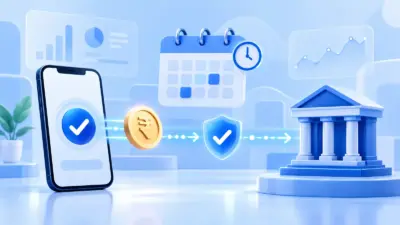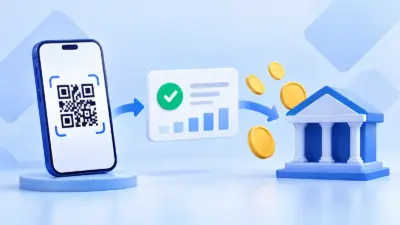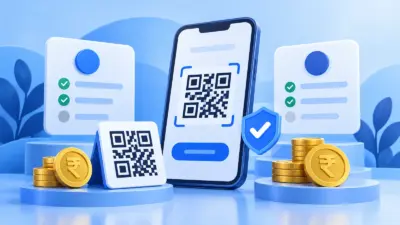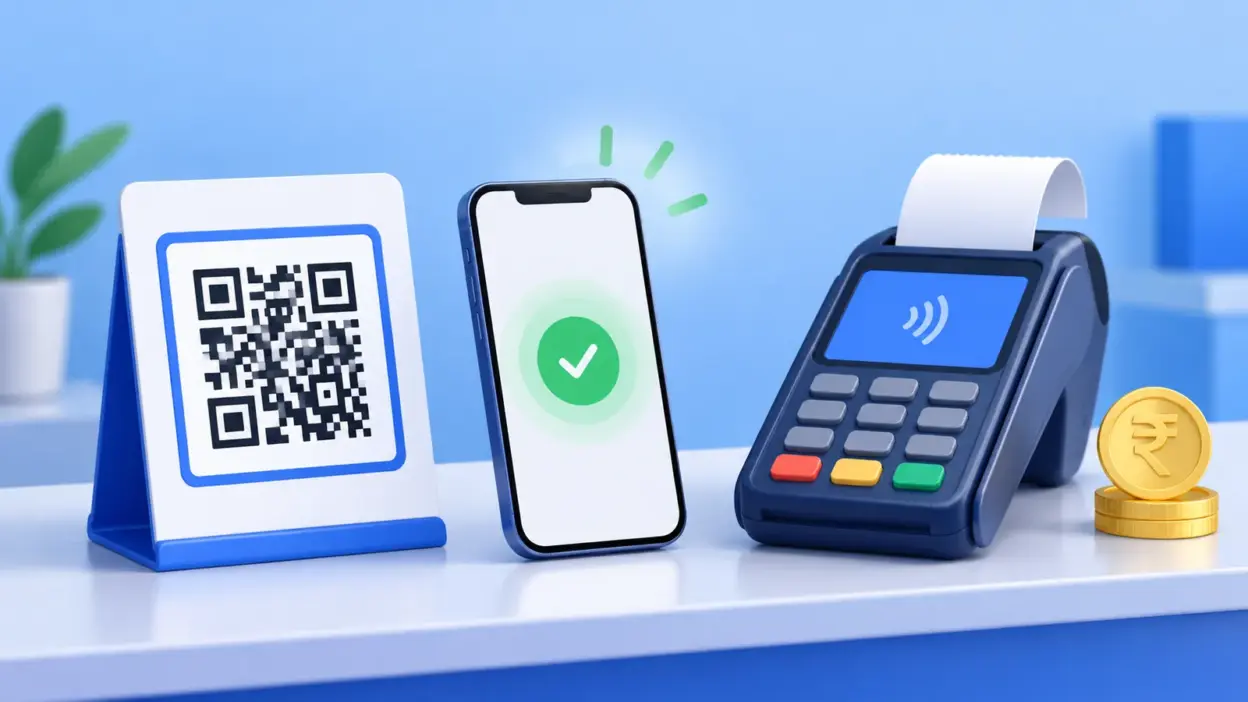
If you are deciding between an EDC machine vs UPI QR, a printed QR is usually the lower-cost starting point for a small Indian shop, while an EDC machine earns its place when customers regularly pay by card. For automatic payment matching at the counter, PaymentSetu adds a flat verification plan to direct UPI payments without turning your shop into a card-terminal setup.
Quick comparison: EDC machine vs UPI QR
The right choice depends on two separate questions: which payment methods your customers use, and whether you need automatic confirmation against an order or invoice. A QR can be very cheap but leave you checking notifications manually. An EDC machine can accept cards but adds device and transaction costs.
| Option | Fixed cost | Payment cost | Payment confirmation | Best fit |
|---|---|---|---|---|
| PaymentSetu Starter + dynamic UPI QR | ₹399 per 30 days | 0% PaymentSetu commission; bank or UPI account rules may apply | Automatic matching and webhook after verification | Shops taking up to 100 successful UPI payments in 30 days |
| EDC/card machine | Published plans vary; official examples include monthly rent, setup and a refundable usage deposit | MDR on card transactions, depending on card, category and agreement | Terminal approval and receipt; reconciliation is separate | Shops where card, tap or insert payments are common |
| Printed static UPI QR | Free QR generator; printing is optional and variable | Depends on the merchant account and current UPI rules | Manual checking unless connected to software | Counter sales with low volume or simple manual billing |
EDC stands for Electronic Data Capture. You may also see the same device called a POS machine, swipe machine, card machine or card terminal. UPI QR means a customer scans a code with a UPI app and approves the payment on their phone.
EDC full form and how a card machine works
An EDC machine is a terminal that captures card-payment data electronically. A customer can insert a chip card, tap a contactless card or phone, or swipe where that method is supported; the terminal then sends the transaction for authorisation and displays the result.
The basic counter flow is:
- You enter or confirm the sale amount on the terminal.
- The customer taps, inserts or swipes a card and completes any required authentication.
- The acquiring side checks and authorises the transaction.
- The terminal shows success or failure and may print a thermal receipt.
- The transaction is settled to the merchant account according to the provider’s settlement cycle.
Modern EDC devices may also show a QR or accept more than one payment method. That does not make the device free: you still need to check its rental, MDR, setup, deposit, maintenance and paper-related terms.
What an EDC machine really costs: rent, MDR and paper rolls
An EDC machine’s headline rental is only one part of the cost. A proper budget should include the following:
| EDC cost | What it covers | What to check |
|---|---|---|
| Rental | Use of the device, and sometimes maintenance or connectivity | Whether the quoted amount is monthly, annual or conditional on transaction volume |
| MDR | A percentage deducted from eligible card payments | Card type, business category, turnover slab, taxes and settlement terms |
| Setup or installation | Activating and deploying the terminal | Whether it is one-time and whether GST is extra |
| Usage deposit | Security or fair-use amount for some rental plans | Refund conditions, deductions and the time taken to release it |
| Paper rolls | Printed receipts from a terminal with a printer | Included quantity, extra-roll price and whether digital receipts avoid the cost |
| Device replacement | Loss, damage or replacement terms | The agreement’s recovery or penalty schedule |
As an October 2026 reference point, one official Android EDC schedule publishes a monthly rent of ₹400 for a basic device without a printer and ₹600 for a device with a printer, both before applicable GST. The same schedule lists a ₹1,000 setup fee for a monthly plan, a refundable usage deposit of ₹1,500 without a printer or ₹2,500 with one, and card MDR that varies by card type and merchant turnover. These are examples from one provider’s published terms, not a universal EDC price list.
Paper is a small line item per receipt, but it becomes visible when your counter prints every sale. One official bank schedule lists ₹5 per extra paper roll under one plan. Your actual roll price and included quantity can differ, so ask for the written fee schedule before comparing two devices.
MDR is the bigger variable. Debit-card and credit-card rates are not necessarily the same, and a “zero rental” offer can still have transaction charges or minimum-usage conditions. A terminal provider may also offer a different price after looking at your category and monthly volume.
How a UPI QR works at the counter
A static UPI QR stores the merchant’s payment address and basic payee details. You print it, place it near the billing counter, and ask the customer to scan it, enter the amount and approve the payment in their UPI app. The money goes to the linked merchant account; the QR itself does not need a battery, SIM card, charger or paper roll.
A dynamic QR is created for a specific order or invoice. It can carry the amount and a reference so that your software can match the incoming payment to the right sale. That matters when several customers are paying at once, or when a shop sells through a website, WhatsApp, delivery team or service desk.
The QR and the verification layer are different things:
- The QR is the customer-facing way to start payment.
- The merchant account receives the UPI payment.
- Verification matches the amount, UTR and order or QR reference.
- The business system can then mark the order paid or trigger a webhook.
PaymentSetu is a payment verification service, not a payment gateway. The customer pays the merchant’s own Paytm Business or PhonePe Business merchant account. PaymentSetu matches the payment to the dynamic QR or order and sends a webhook; it does not hold the money.
The government’s official FAQ on MDR for select UPI P2M transactions, published in September 2026, says eligible P2M payments up to ₹2,000 have no MDR, while eligible payments above ₹2,000 carry 0.4% MDR with a ₹300 cap at ₹75,000 and above. It also describes a zero-MDR P2PM category for qualifying small merchants up to ₹1 lakh per month. Your bank or acquiring provider determines the applicable account category, so confirm your own terms.
For background on QR acceptance, see the NPCI Bharat QR product overview. For a wider discussion of payment fees, you can also read our guide to UPI payment gateway charges in India.
Side-by-side cost on ₹2 lakh monthly sales
Here is a simple comparison using clear assumptions rather than a pretend universal price. Suppose the shop makes ₹2 lakh from 100 counter payments of ₹2,000 each, the EDC machine is on the example ₹600 monthly printer plan, and it uses 20 paper rolls at ₹5 each. The EDC example uses 0.4% card MDR, excludes GST, and shows the setup fee only in the first month.
| Cost for ₹2 lakh monthly sales | PaymentSetu Starter + dynamic QR | Example EDC with printer | Printed static QR alone |
|---|---|---|---|
| Plan or rental | ₹399 / 30 days | ₹600 / month | ₹0 software |
| MDR or PaymentSetu commission | ₹0 PaymentSetu commission; eligible UPI treatment depends on account and transaction rules | ₹800 at 0.4% MDR | Depends on merchant account and transaction rules |
| Setup fee | ₹0 | ₹1,000 in the first month | Printing cost, if any |
| Paper rolls | ₹0 | ₹100 in this example | ₹0 |
| First-month total before GST | ₹399 | ₹2,500 | Printing cost only |
| Recurring monthly total before GST | ₹399 | ₹1,500 | Printing cost only |
The QR column is not claiming that every UPI account has identical pricing. It applies the current rule to the specific example of 100 payments at exactly ₹2,000 and keeps the ₹399 PaymentSetu plan separate from any bank or acquiring charge. The Starter plan includes 100 credits, with one credit representing one successful payment verified.
If the same ₹2 lakh arrives as 40 payments of ₹5,000, the illustrative 0.4% UPI MDR would be ₹800 for an eligible P2M account. The PaymentSetu plan plus that illustrative amount would be ₹1,199 before GST. This is still a flat ₹399 PaymentSetu plan with 0% PaymentSetu commission; the external UPI charge is shown separately so you can replace it with the rate for your own merchant account.
For a card-heavy shop, use the actual MDR in your EDC agreement rather than the illustration above. You can calculate the monthly card charge with this formula:
card MDR = monthly card sales × MDR percentage
total EDC cost = card MDR + rental + setup or maintenance + paper + taxes
You can calculate the QR-and-verification cost as:
PaymentSetu cost = plan price + applicable external UPI chargesThat separation makes the comparison easier to update when a bank changes its merchant schedule.
When a shop still needs a card machine
Choose an EDC machine when accepting cards is a regular part of your sales, not just an occasional request. It can be sensible for a supermarket, pharmacy, restaurant, salon, hotel, electronics shop or clinic where customers often expect tap, insert or credit-card payment.
An EDC machine is also useful when you need a printed card receipt at the counter, when customers split payments across card and other methods, or when a terminal provider’s reconciliation tools fit your existing billing process. Ask for the complete fee schedule before signing: rental, MDR by card type, taxes, settlement timing, deposit, printer supplies and exit terms.
Do not buy an EDC machine merely because it also displays a QR. If most customers already scan UPI and your main problem is knowing which order has been paid, a QR plus automatic verification addresses that problem with less hardware on the counter.
Auto-verifying counter UPI payments with dynamic QR
A printed QR is excellent for a single counter and simple manual billing. It becomes harder to manage when the shop has several open orders, exact amounts that repeat, or staff members who need a reliable paid status instead of a screenshot from a customer.
With PaymentSetu, the workflow is:
- Create an order or payment request with the amount and reference.
- Show a dynamic QR for that order.
- The customer pays directly to your connected Paytm Business or PhonePe Business merchant account.
- PaymentSetu matches the payment details to the order.
- Your dashboard and webhook receive the verified status.
That is different from asking the customer to show a payment screenshot. The UTR and amount can be matched to the order, and your software can use the verified webhook for fulfilment or reconciliation. PaymentSetu also provides REST API access if you are building a custom billing screen; the WooCommerce and WHMCS plugins cover common online-store and hosting workflows.
If you run a WooCommerce store, see the WooCommerce UPI plugin. If you bill hosting renewals or domains in WHMCS, see the WHMCS UPI module. The same direct-to-your-merchant-account model can support a shop that takes walk-in payments and online orders together.
Print your free UPI QR today
If you only need a code for a counter, stall, invoice or service desk, start with PaymentSetu’s free UPI QR code generator. Enter the UPI ID and name, add a fixed amount only when appropriate, then download or print the QR. A static QR is reusable, so check the payee name on the customer’s screen before treating a payment as complete.
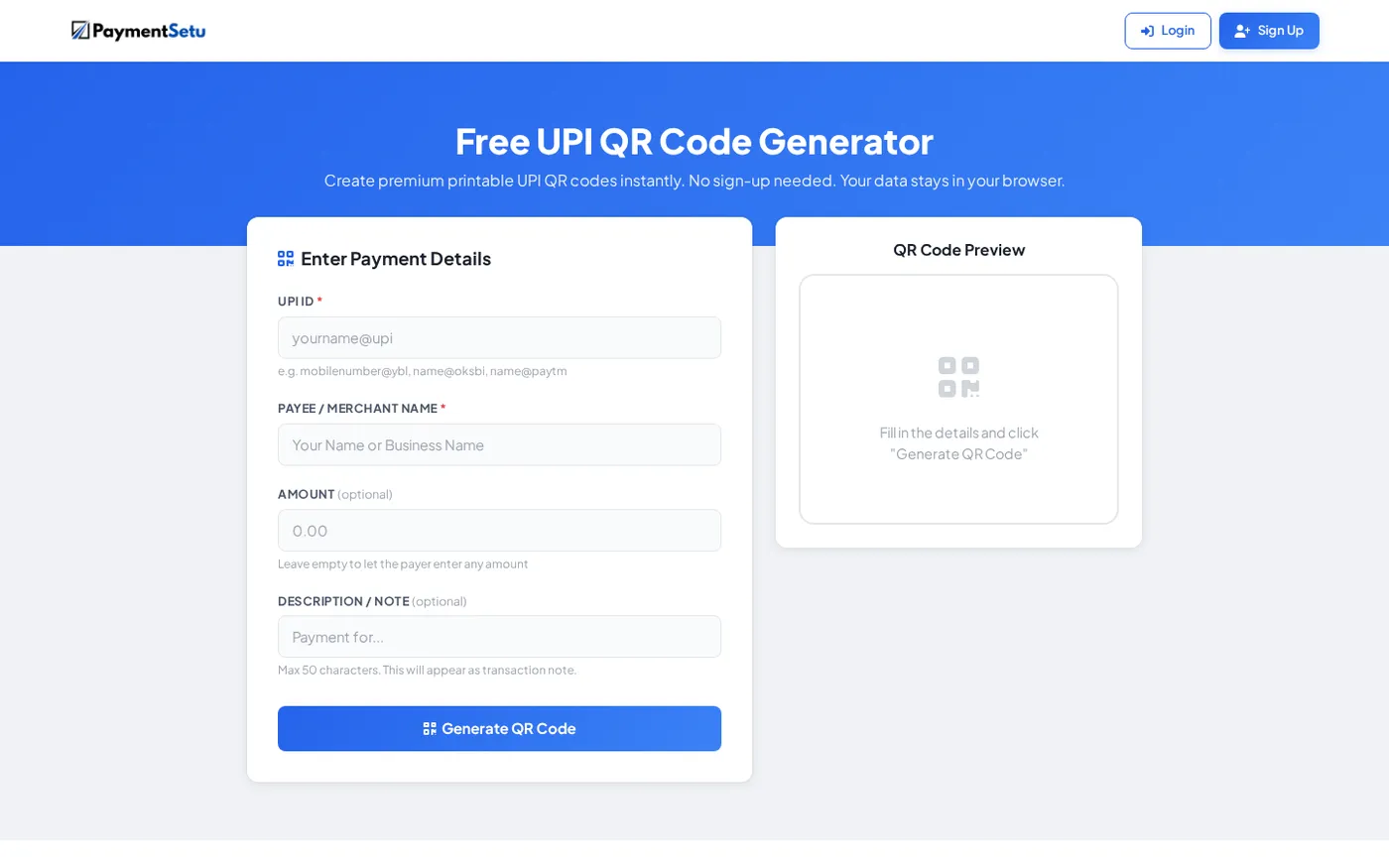
For a broader walkthrough, read our guide to creating a UPI ID and QR code. If you send invoices, the free invoice generator with UPI QR can put a scannable code on the document.
How to choose for your small shop
Use these questions before you spend money on hardware:
- How do customers actually pay? If card and tap payments are common, price an EDC machine. If UPI dominates, begin with QR.
- Do you need automatic paid status? A static QR requires manual checking. Use dynamic QR and verification when orders must be matched automatically.
- What is the complete monthly cost? Add rent, MDR, setup, deposit, paper, GST and any minimum-use requirement for an EDC quote.
- How many successful payments need verification? Starter covers 100 verified payments per 30 days at ₹399. Growing stores can compare the Pro and Business plans on the PaymentSetu pricing page.
- Will you accept both? Many shops can keep a QR for everyday UPI and add an EDC machine only when card demand justifies the recurring cost.
For a UPI-first shop, the practical starting point is a free printed QR if manual confirmation is fine, or PaymentSetu Starter if matching and automation matter. Add an EDC machine when its card acceptance solves a real customer-payment need and the MDR-plus-rental cost fits your margin.
FAQ
What is the full form of EDC machine?
EDC means Electronic Data Capture. An EDC machine is a payment terminal that captures card transaction data and sends it for authorisation, usually with tap, insert or swipe options.
Is UPI QR cheaper than an EDC machine?
Usually, yes for a UPI-first small shop because a QR has no terminal rent, battery or paper-roll requirement. Your full comparison should still include the applicable UPI merchant-account charges, PaymentSetu’s plan if you need automatic verification, and the value of accepting cards.
What are the usual EDC machine charges?
EDC costs can include monthly rent, card MDR, setup or installation, a refundable usage deposit, maintenance, taxes and paper rolls. Published terms vary by provider, device, card type, merchant category and transaction volume, so ask for the complete schedule rather than relying on the headline rent.
Can a UPI QR automatically confirm a payment?
A basic printed QR does not match a payment to a specific order by itself; staff normally check the merchant app or bank notification. A dynamic QR connected to a verification service can match the amount and UTR to an order and send a webhook after verification.
Do I need both an EDC machine and a UPI QR?
You need both only when your customers use both card and UPI often enough to justify the extra hardware and MDR. Start with the payment method most customers request, then add the second channel after comparing actual sales, reconciliation time and total monthly cost.